









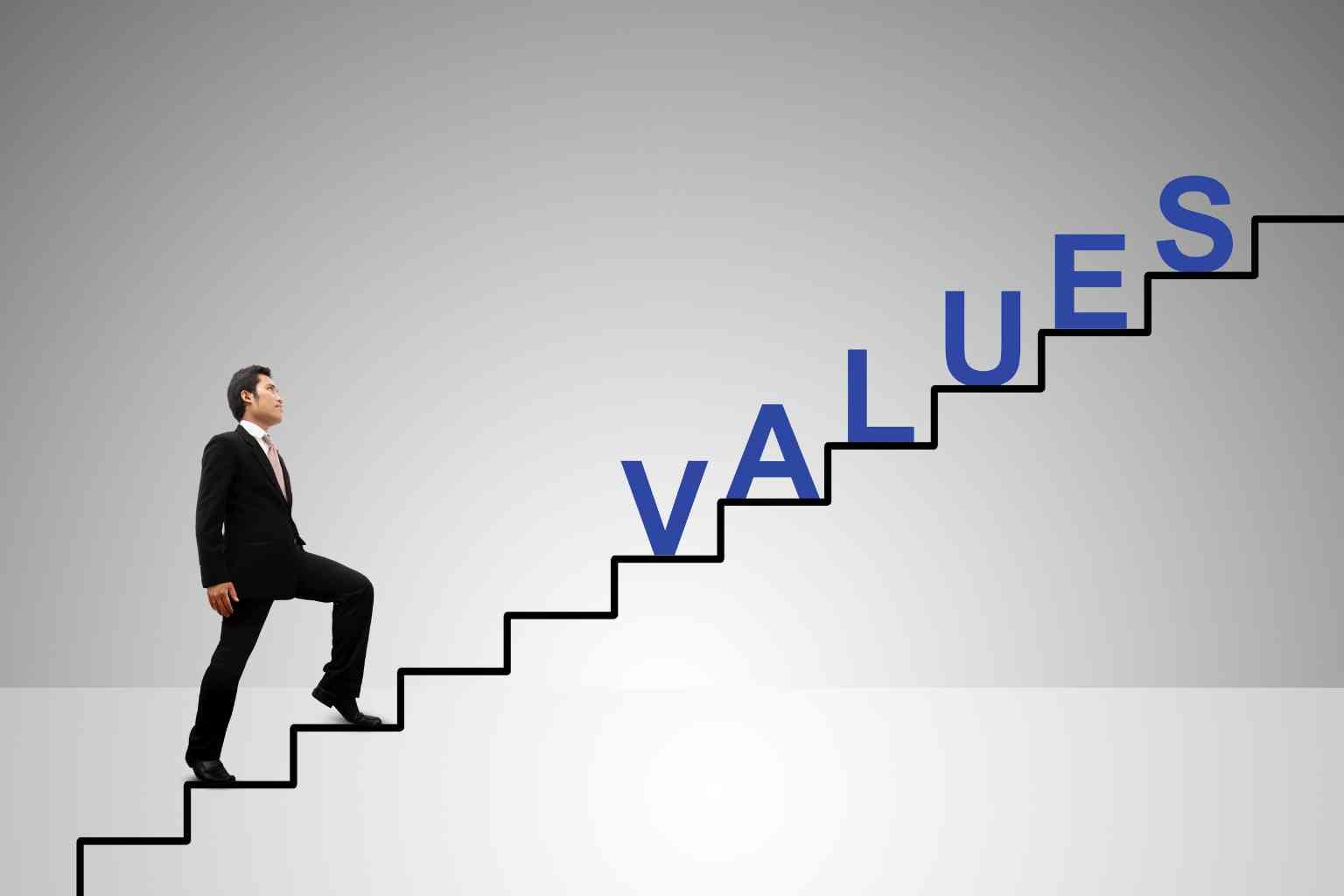
With endless opinions, trends and social pressures that never let up, people want something they can rely on within themselves to make decisions. Instead of deferring to the expectations of others people are demanding that their values be respected. Values are like an inner compass. They influence decisions as large in scope as career, relationship and lifestyle and those as small as how we conduct ourselves from day to day. As awareness becomes apparent, living from experience and values is becoming the model of purposeful and intentional life.
1. What Are Personal Values
Personal values are sets of beliefs that people have about what is right, good and can be explained to get moral. These can be honesty, freedom, family, or growth, health or creativity. What values do is to steer our priorities and long term goals.
2. Why Values Are Up Front and Centre Today
Life in the modern world is fast-paced and filled with choices. Without values, it’s easy to be disoriented or distracted. Nowadays, There are many people looking for clarity by knowing what is important to them before they make decisions.
3. How Values Influence Career Choices
Susannah Leigh Everyone is looking for a well-matched career that fulfills personal and religious values as more abruptly confronts the mirror of what one does for their daily bread. For some, flexibility is preferred to a big paycheck. Others value meaningful work more than job titles. Values aid in identifying what kind of professional life would feel rewarding.
4. Relationships and Shared Beliefs
Successful relationships are often rooted in common values. The more such aspects between people are established, the stronger a bond emerges. Attitudes determine limits and modes of speech.
5. Benefits of Living According to Your Values
Life just feels in better balance when your actions are in sync with your personal beliefs:
- Greater sense of purpose
- Reduced internal conflict
- Improved confidence
- Clearer decision making
- Stronger emotional stability
Authentic living is good for your health.
6. Decision Making Becomes Easier
Values are filters for decisions. Instead of getting into “overanalyzing every option,” people can ask simple questions:
- Is this compatible with my vision?
- Is this the decision that I feel reveals me as a person?
- Does this support my priorities
- Will I feel proud of this decision
- Does it protect my well being
This clarity reduces stress.
7. Impact on Lifestyle and Habits
Values shape daily routines. A health-conscious person makes time for exercise, eats mindfully. Somebody who believes in growth spends time learning. Small habits reflect larger beliefs.
8. Navigating Social Pressure
Desicions are frequently based on social media and societal pressure. But when you have strong personal belief systems it keeps things stable. They prevent people from making comparisons and keep them on their own path.
9. Adapting Values Over Time
Your values are not set in stone and can change with your experiences. Life changing events like becoming a parent, changing careers or facing hardships can change what is most important to us. Periodic reflection can help to ensure decisions are consistent with one’s current beliefs.
10. The Future of Value Based Life
Value driven living will probably increase as people search for more depth and balance. Success could be less about outer acceptance and more about internal alignment. Thoughtful life decisions will be determined by personal values.
Key Takeaways
Values are the guiding and uplifting principles in our life. If the choices we make in our lives are based on core beliefs and are congruent with these then there is a sense of purpose, self‐confidence and emotional harmony. Recognizing and respecting values are important to living intentionally and purposefully.
FAQs:
Q1. What are personal values?
They are fundamental beliefs that influence decision-making and behavior.
Q2. Why are values so important in decision making?
They bring clarity and remove any ambiguity when deciding which one to opt for.
Q3. Can your core values evolve over time?
Yet, life experiences can reshape priorities and beliefs.
Q4. How do values affect relationships?
Common values build up trust and understanding.
Q5. How do I discover what my core values are?
Think about what is most important to you and what makes life meaningful.