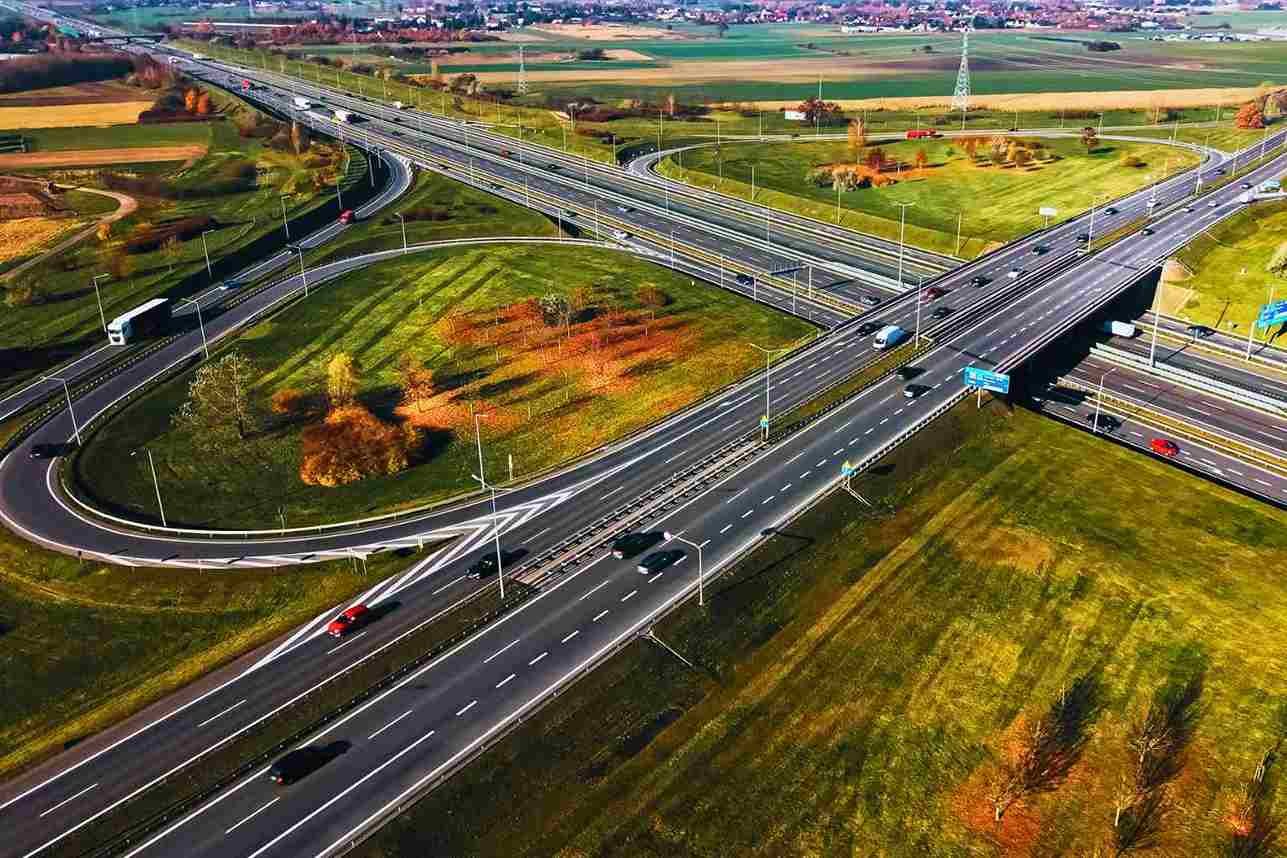
Infrastructure corridors are one of the biggest influences on real estate development in contemporary cities. Be it a new highway, metro line, industrial corridor or expressway, big-ticket infrastructure projects regularly convert desolate areas into high-demand property destinations. These are followed closely by the investment community and home buyers because they have a direct bearing on connectivity, economic activity and price appreciation of property over time.
1. What Are Infrastructure Corridors
Development corridors are zones of planned development, usually based on a transportation (such as highway/road, sea port or river port) and designed to serve specific areas that have several common needs, such as trade routes. These consist of highways, metro rail networks, freight corridors, industrial zones and smart city projects. The idea is to enhance the links and foster development across regions.
2. Improved Connectivity Drives Demand
How a property has access to the wider world affects its value. When a new highway or metro line shortens the travel time to some place, parts of town that seemed distant move closer. This is a recipe for rapid residential and commercial demand.
3. Impact on Property Prices
As infrastructure develops, land and property values typically increase. Early investors tend to see the biggest return as prices are higher once a project is finished. As we open the corridor, demand grows … a lot.
4. Growth of Residential Projects
Infrastructure announcements are also being reacted to rapidly by developers.
- Launch of new housing projects
- Rise in gated communities
- Increase in affordable housing options
- Mixed-use developments and infill projects at transit points.
- Growth of rental housing demand
This swift construction generates new clusters of residence.
5. Growth in C&I Activity
Businesses and industries are drawn to infrastructure corridors. Offices, warehouses, logistic hubs and retail locations tend to settle around key transport routes. Employment growth in these zones boosts the demand for housing in adjacent areas.
6. Development of Satellite Towns
Many backbone corridors encourage the establishment of satellite towns in major cities.
- Reduced pressure on city centers
- Lower land prices compared to city centres etc.
- Planned township developments
- Improved road and metro connectivity
- Balanced urban expansion
As in the other towns they grow into property hotpots.
7. Role of Government Policies
Policy support often accompanies government backed infrastructure projects. Laws, zoning changes and development programs can spur private investment. Durable master plans appeal to the developer and long-term investor.
8. Rental market and investment effect
Rents grow briskly in the vicinity of corridor infrastructure. The workforce in new centres of commercial activity wants places to live near work. Investors enjoy both rental income and rental appreciation.
9. Risks and Speculative Buying
Infrastructure corridors bring possibilities but also the chance that speculative buying bloats values rapidly. They don’t all come in on time as announced. Readers are advised to check with project companies for the precise timeline and legal approvals before investing.
10. Long-Term Wealth Creation Potential
Strategically established infrastructure corridors change entire regions over the course of generations. What used to be considered a remote area may include prime locations as well. Long term investors can profit from the corridors made apparent early.
Key Takeaways
Corridor Infrastructure Connectivity are motivational factors that enhance connectivity, attract businesses and influence housing demand in a area. They can turn declining properties in underdeveloped areas into property hotspots. Investing early, doing your homework and learning the project time frames is critical to maximizing long-term returns.
FAQs:
Q1. Why do real estate prices increase around infrastructure corridors?
For the same reason that better access and business also raise demand.
Q2. Are infrastructure projects always a good investment?
Most are helpful, but investors need to check project completion dates.
Q3. What kinds of corridors affect real estate the most?
Metro lines, highways and industrial corridors.
Q4. When is it best to invest, pre- or post project development?
Investment earlier in time is often more profitable but riskier.
Q5. Does proximity to infrastructure projects raise rents?
Yes, particularly in neighborhoods with new business and job centers.